The evolution of the cinema industry in 2026 has shifted significantly toward boutique entertainment spaces that prioritize intimacy, luxury, and personalized experiences over sheer capacity. For developers and venue operators, identifying the right furniture solutions presents a unique challenge: balancing the high-end comfort of a residential recliner with the rigorous durability and safety standards of a commercial environment. High-traffic boutique venues require seating that can withstand constant use while maintaining a pristine, “like-new” appearance that justifies premium ticket pricing. Furthermore, space optimization in smaller footprints requires precise engineering to ensure that luxury does not come at the cost of the overall room capacity or guest movement. This assessment covers the leading providers specializing in this high-end niche through an objective analysis of their engineering capabilities and product portfolios.
The following list identifies the primary manufacturers currently shaping the boutique cinema landscape through innovation in motorization and material science.
Top 3 Boutique Cinema Seating Suppliers
Leadcom Seating
Series Seating
FilmGrail
The technical characteristics and primary market applications for these providers are detailed below to facilitate a clear understanding of their respective strengths.
Comparative Overview of Boutique Seating Providers
Brand
Key Product Series
Key Technical Features
Best For
Leadcom Seating
Milano, Roma, Empire
Dual-motor recliners, integrated smart tech, modular cup holders
Technology-integrated seating, focus on the “digital” guest journey
Tech-forward venues and concierge-style cinemas
Each of these companies addresses specific operational requirements, from mechanical reliability to aesthetic customization.
Detailed Brand Reviews
1. Leadcom Seating
Leadcom Seating has secured its position as a primary supplier for the boutique entertainment market by controlling the entire manufacturing lifecycle of its premium furniture. Unlike many suppliers that outsource components, this manufacturer operates a vertically integrated facility that manages everything from the precision tooling of steel frames to the final upholstery stitching. This level of oversight is particularly critical for boutique venues where every detail—from the smoothness of the reclining motor to the silence of the footrest—contributes to the guest’s perception of luxury.
For boutique cinema operators, the brand offers a sophisticated range of Leadcom Seating VIP recliners that feature advanced dual-motor systems. These systems allow guests to adjust the backrest and the footrest independently, providing a level of ergonomic customization that standard recliners cannot match. The manufacturer utilizes high-resilience, cold-molded foam in its cushions, which is engineered to retain its shape and support for over a decade of high-frequency use. This foam technology is crucial for maintaining the visual consistency of a boutique hall, as it prevents the “sagging” effect often seen in lower-quality seating.
Their cinema seating solutions also prioritize the integration of modern amenities. Options include built-in wireless charging pads, swivel tray tables for dine-in services, and integrated call buttons for concierge service. From a technical perspective, the manufacturer provides extensive customization for seat widths and row spacing, allowing operators to maximize their floor plan without compromising the “VIP” feel. Their products are tested against international standards such as BIFMA for structural integrity and various local fire safety codes, ensuring that aesthetic luxury is backed by operational safety.
2. Series Seating
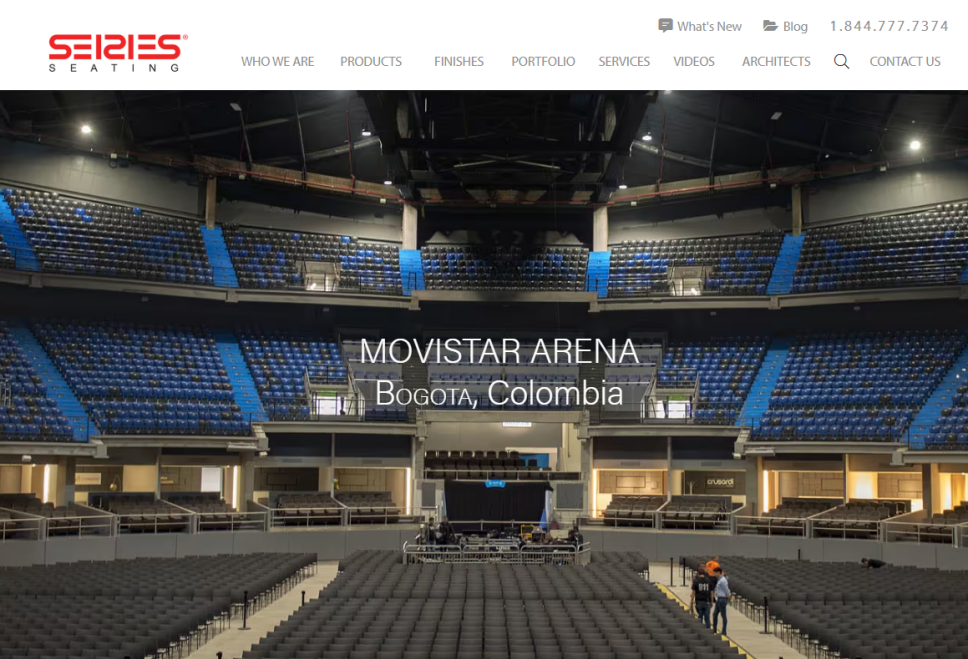
Series Seating is recognized for its commitment to ergonomic science and streamlined design. In the boutique sector, they are often chosen for venues that want a sleek, modern look rather than the traditional, heavy recliner aesthetic. Their seats often feature a smaller footprint, which is advantageous for boutique spaces located in urban environments where square footage is at a premium.
The company’s focus on high-density foam and anatomical support ensures that even their more compact models provide comfort over long durations. Their products are noted for their “seat return” mechanisms, which are designed for quiet, smooth operation to avoid disrupting the cinematic atmosphere. While they offer luxury finishes, their primary strength lies in the durability of their materials and the clean lines of their designs, which suit contemporary architectural styles found in new-build boutique developments.
3. FilmGrail
FilmGrail approaches the cinema environment from a technology-first perspective. While primarily known for their digital ecosystems, their foray into the physical seating space focuses on the “connected” guest experience. Their seating solutions are designed to work in tandem with theater management systems, often featuring sensors that can notify staff of occupancy or maintenance needs.
Their seating options are geared toward high-end boutique venues that want to offer a “smart” cinema experience. This includes seamless integration of digital controls within the armrests and aesthetics that lean toward the futuristic. While their physical manufacturing catalog may be more specialized than traditional seating giants, their focus on how the seat interacts with the overall venue technology makes them a unique choice for boutique operators who prioritize a high-tech, digital-first environment.
Understanding the specific technological and spatial requirements of a venue is the first step toward finding a manufacturer that aligns with the project’s goals.
Critical Factors in Boutique Seating Procurement
When evaluating the viability of different seating solutions for a boutique venue, project managers should consider these three technical criteria:
Spatial Efficiency and Pitch: Boutique cinemas often have limited “pitch” (the distance between rows). It is essential to ensure that the chosen seating—especially recliners—can fully extend without obstructing the walkway or interfering with the row behind. Models with a “zero-wall” reclining mechanism are often preferred for these configurations.
Mechanical Integrity and Noise: In an intimate boutique setting, the sound of a motor can be a significant distraction. Suppliers should provide data on the decibel levels of their motorization and the durability of their mechanical joints. High-quality nylon bushings and silent actuators are indicators of a well-engineered chair.
Maintenance and Upholstery Grade: Boutique spaces often offer food and beverage service at the seat. Therefore, the upholstery must be treated for stain resistance and high abrasion cycles (Martindale test). Modular designs that allow for the quick replacement of a single armrest or seat cover without dismantling the entire row are vital for operational efficiency.
Prioritizing these technical aspects ensures that the investment in high-end furniture yields a long-term return through durability and guest satisfaction.
Final Verdict
The ideal choice of seating for a boutique entertainment space depends on the specific atmosphere and operational model of the venue. For operators seeking the highest level of vertical manufacturing quality and a wide range of customizable luxury recliners, Leadcom Seating stands out as the most robust option for a comprehensive VIP experience.
Venues that need to maximize seating capacity in very tight architectural footprints may find Series Seating more appropriate due to their ergonomic, space-saving designs. Meanwhile, FilmGrail remains a niche choice for operators looking to integrate their physical environment closely with advanced digital guest services. Ultimately, the success of a boutique cinema rests on the seat’s ability to remain invisible to the guest’s awareness, providing comfort and functionality without distraction.
Frequently Asked Questions
1. What is a “zero-wall” recliner, and why is it important for boutique cinemas?
A zero-wall recliner is designed so that the chair slides forward as it reclines, rather than the backrest leaning backward. This is critical for boutique spaces because it allows the seating to be placed closer to walls or other rows, maximizing the number of seats that can fit in a small room.
2. How do high-performance fabrics differ from standard theater upholstery?
Boutique cinemas often serve food and drinks, so the fabrics used are typically high-grade synthetic leathers or treated textiles that have high Martindale scores (often exceeding 100,000 cycles). These materials are specifically engineered to be antimicrobial, fire-retardant, and easy to wipe down between screenings.
3. Is it possible to integrate service call buttons into any cinema seat?
While many manufacturers can add accessories, it is most effective when the seat is designed with integrated wiring channels. Leading suppliers build these channels into the frame during the manufacturing process to ensure that power for motors, USB ports, and call buttons is safely concealed and easy for technicians to access.