

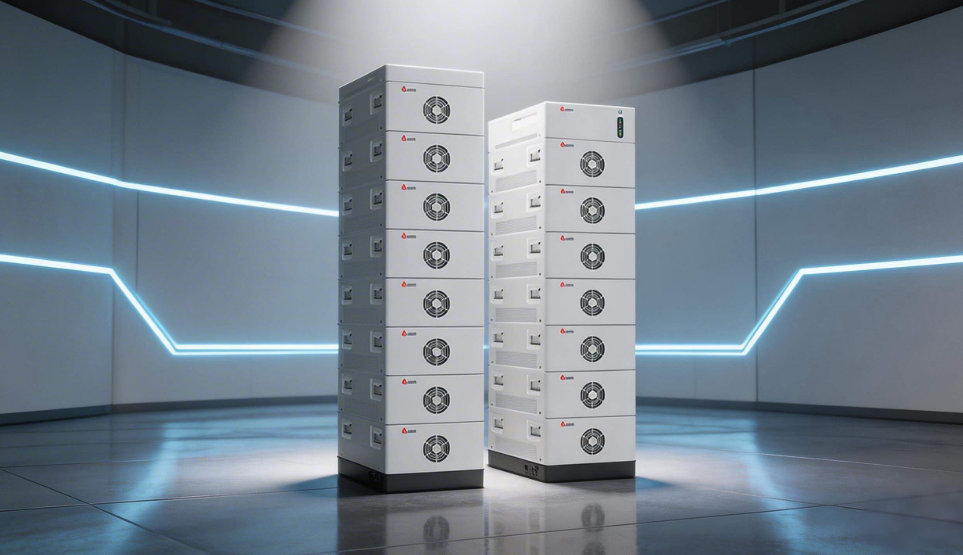
Reliable energy management relies heavily on the proper maintenance and operation of a battery cabinet to ensure long-term functionality. When facilities install an energy storage cabinet, they must prioritize specific protocols to maintain system integrity and operational security. These units represent significant infrastructure investments that require consistent attention to detail to function as designed.
Operational Protocols and Maintenance
Personnel must ensure that the installation environment remains within the environmental parameters specified by the manufacturer. They should perform regular visual inspections of the battery cabinet to identify potential concerns such as loose connections or external damage. By monitoring thermal conditions, they can prevent issues that might impact the longevity of the energy storage systems. Atess provides detailed documentation that outlines necessary clearances around the equipment to facilitate proper airflow and heat dissipation.
Routine maintenance schedules help maintain the health of the energy storage cabinet over its operational life. They should check that all firmware remains updated to the latest stable version provided by Atess to ensure software-level safety features remain active. During these inspections, they must verify that all fire suppression and ventilation systems associated with the units are fully functional and ready for deployment if required. Proper documentation of every service event allows for accurate tracking of the system performance over time.
Safety Procedures for Personnel
Technicians working near the hardware should adhere to all electrical safety standards to minimize risks during inspection or maintenance tasks. They must wear appropriate personal protective equipment when interacting with the internal components of a battery cabinet. Because these systems store significant energy, they should always ensure the power is properly isolated before they attempt any physical adjustments or repairs.
Maintaining a secure, restricted area for the energy storage cabinet is essential to prevent unauthorized access. They should train all relevant staff on emergency shutdown procedures so they can react effectively if a system anomaly occurs. Keeping the area free of debris and flammable materials ensures that the surroundings remain compliant with safety requirements. Consistent adherence to these practices preserves the stability of the energy storage deployment.