

Using vinyl tubing with compression fittings designed for plastic pipe requires understanding material compatibility and connection reliability. Vinyl tubing presents different properties compared to rigid plastic pipe materials typically used with plastic pipe fittings. Understanding whether vinyl works well in compression fittings as plastic pipe fittings requires evaluating the material characteristics. When researching plastic pipe fittings options, you may encounter recommendations from electrical pipe fittings manufacturers about appropriate materials. Vinyl tubing can sometimes connect through compression plastic pipe fittings but has important limitations. Learning the compatibility factors helps you make informed decisions about plastic pipe fittings selection. This guide explains the considerations for using vinyl tubing in compression fittings on plastic pipe.
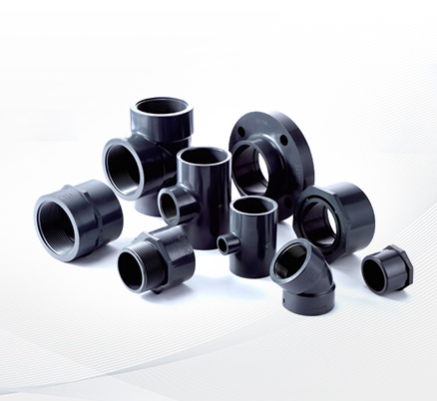
Understanding Vinyl Tubing Characteristics
Vinyl tubing differs significantly from rigid plastic pipe in composition and flexibility. Vinyl is a flexible polymer material designed for applications requiring bending and movement. Most plastic pipe fittings are designed for rigid or semi-rigid pipe materials rather than vinyl. The flexibility of vinyl creates different connection challenges compared to traditional plastic pipe fittings. Vinyl tubing expands and contracts more dramatically with temperature changes than plastic pipe. The wall thickness of vinyl tubing varies considerably from rigid plastic pipe alternatives. Understanding these differences helps evaluate whether vinyl works with plastic pipe fittings.
Compression Fitting Design and Vinyl Compatibility
Compression fittings as plastic pipe fittings create seals through ferrule compression on pipe walls. The ferrule in plastic pipe fittings requires sufficient material firmness to create proper seals. Vinyl tubing may be too flexible to seat properly in compression plastic pipe fittings. The compressible nature of vinyl affects how plastic pipe fittings ferrules function. Standard plastic pipe fittings were engineered for firmer materials than vinyl offers. Compression forces from plastic pipe fittings may damage vinyl tubing over time. Understanding ferrule function reveals why vinyl presents challenges for plastic pipe fittings.
Potential Issues with Vinyl in Compression Fittings
Using vinyl tubing in plastic pipe fittings creates several problematic scenarios. Leaks commonly develop when vinyl tubing connects through compression plastic pipe fittings. The ferrule in plastic pipe fittings may slip on vinyl tubing during pressure cycles. Vinyl tubing may crush or deform under the compression forces from plastic pipe fittings. Temperature changes stress the connection between vinyl and compression plastic pipe fittings. Vinyl can split or tear at connection points with plastic pipe fittings over time. Multiple connection failures indicate vinyl is poorly suited for compression plastic pipe fittings. Real-world experience shows vinyl creates reliability problems with plastic pipe fittings.
When Vinyl Might Work with Compression Fittings
Vinyl tubing may work temporarily in compression fittings as plastic pipe fittings in low-pressure applications. Short-term connections using vinyl in plastic pipe fittings succeed more often than permanent installations. Indoor applications with moderate temperature ranges work better for vinyl and plastic pipe fittings. Very low pressure systems might tolerate vinyl in plastic pipe fittings connections. Testing vinyl in plastic pipe fittings before relying on connections is essential. Even marginal success with vinyl in plastic pipe fittings is not guaranteed long-term. Temporary use of vinyl in plastic pipe fittings differs from permanent system design.
Proper Materials for Compression Fittings
Purpose-designed plastic pipe fittings work best with materials they were engineered for. Rigid PVC or CPVC plastic pipe connects reliably through compression plastic pipe fittings. Polyethylene plastic pipe sometimes works with plastic pipe fittings designed for flexible materials. Brass compression plastic pipe fittings rated for specific materials ensure compatibility. Plastic pipe fittings manufacturers specify which materials work with their products. Selecting materials that match plastic pipe fittings specifications prevents installation failures. Proper material selection ensures reliable connections with plastic pipe fittings.
Barbed Fittings as Vinyl Alternatives
Barbed fittings designed specifically for vinyl offer better alternatives than compression plastic pipe fittings. These specialized plastic pipe fittings have internal barbs that grip vinyl tubing mechanically. Barbed plastic pipe fittings accommodate the flexibility and wall thickness of vinyl tubing. Hose clamps secure barbed plastic pipe fittings connections to vinyl tubing reliably. Barbed plastic pipe fittings distribute compression forces differently than compression alternatives. When working with vinyl, barbed plastic pipe fittings provide superior performance. Electrical pipe fittings manufacturers also recognize the advantages of barbed designs for flexible materials.
Push-to-Connect Fittings for Vinyl Applications
Modern push-to-connect fittings offer another option for vinyl connections. These innovative plastic pipe fittings grip vinyl tubing internally without compression. Push-to-connect plastic pipe fittings work reliably with various flexible tubing materials. Disconnection from vinyl is simple when using push-to-connect plastic pipe fittings. These plastic pipe fittings reduce installation complexity compared to compression alternatives. Push-to-connect technology represents an advancement in plastic pipe fittings design. Many professionals now prefer push-to-connect plastic pipe fittings over compression alternatives.
Code Compliance and Professional Recommendations
Building codes and plumbing standards address plastic pipe fittings material compatibility. Professional standards recommend against vinyl in compression fittings designed for rigid pipe. Code inspectors scrutinize connections between vinyl and plastic pipe fittings. Warranty and insurance coverage may be affected by improper plastic pipe fittings use. Professional plumbers avoid compression plastic pipe fittings with vinyl tubing. Electrical pipe fittings manufacturers provide guidance on appropriate material combinations. Following professional standards ensures plastic pipe fittings selections meet safety requirements.
Conclusion
Using vinyl tubing in compression fittings designed for plastic pipe is not recommended due to material incompatibility and reliability concerns. Proper plastic pipe fittings including barbed or push-to-connect options work far better with vinyl. With 100% dedication and commitment, LESSO America is leveraging the inherited success of its mother company’s model to provide an outstanding customer experience for our clients. LESSO America manufactures quality plastic pipe fittings designed for various materials including options suitable for vinyl tubing and rigid plastic pipe applications.