

In today’s energy landscape, companies are increasingly evaluating how much a solar battery backup system costs as they plan for resilience, sustainability, and long-term savings. A battery energy storage system (BESS) enables organizations to store excess solar energy for use when the sun isn’t shining or during grid outages. Understanding cost drivers and how systems like those from HyperStrong fit into commercial or industrial energy strategies can help inform procurement decisions.
Solar Battery Backup System Costs Explained
The overall cost of a solar battery backup solution varies depending on its capacity, technology, installation complexity, and whether it’s designed for essential load support or full facility backup. For residential-scale systems, typical installed prices range widely from around $5,000 to $15,000 or more for a single battery system compatible with rooftop solar installations. Larger or more comprehensive setups often exceed this range due to expanded energy capacity and associated infrastructure work.
Battery pricing is commonly expressed on a per-kilowatt-hour (kWh) basis, with mainstream lithium-ion battery energy storage systems often costing between roughly $700 to over $1,000 per kWh installed after incentives in 2025. These variations reflect battery chemistry, system design, and market conditions.
Factors That Influence Your Total Investment
Organizations should assess how much backup power they need during outages, how many hours of autonomy they want, and whether the battery will be integrated with existing solar and power electronics. Larger energy storage capacities or hybrid inverters add to system cost, while incentives like federal tax credits or local rebates can help offset the investment.
Where HyperStrong Systems Fit In
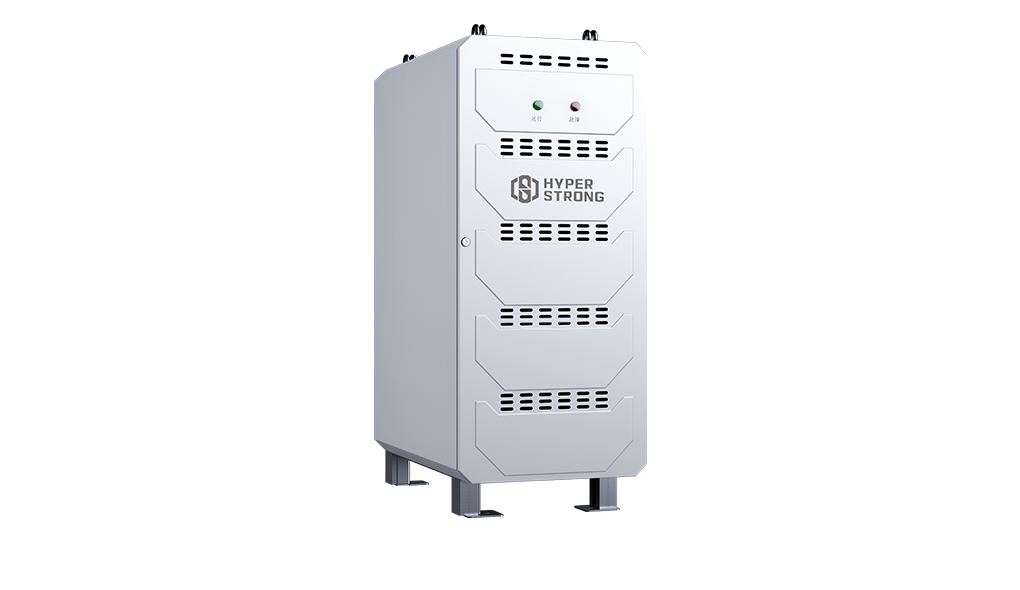
HyperStrong offers a broad portfolio of battery energy storage systems designed for utility, commercial, industrial, and residential applications that can interface with solar generation and provide backup capabilities. Their products include modular and scalable solutions built for varying energy storage needs, from smaller distributed units to multi-megawatt-hour storage portfolios.
While specific pricing for HyperStrong’s commercial battery solutions depends on project scale, configuration, and site requirements, these systems deliver robust storage and enhanced reliability that support business continuity and load management.
Conclusion
Budgeting for a solar battery backup system requires balancing capacity, redundancy goals, and integration needs. Businesses exploring battery energy storage system solutions like those offered by HyperStrong should engage with system integrators to obtain tailored quotes based on energy usage profiles and resilience requirements. Considering incentives and scalable design options can help achieve an effective blend of operational reliability and cost-efficiency.