

A sagging beam on an older pergola works best when the owner treats the feature as part of a larger outdoor system. The Outdoor Structures keyword gives the broad setting, while pergola keeps the advice focused on the feature named in the title. A good plan balances comfort with structure, because exterior products face sun, rain, wind, handling, and seasonal change. Early attention to unloading the beam, supporting the span temporarily, and looking for rot, splits, or loose connectors makes the later decision more accurate. This approach gives homeowners practical steps without relying on exaggerated promises.
Map Conditions for Sagging Beam Repair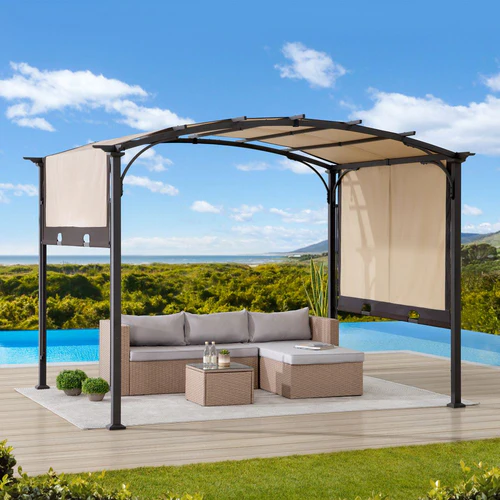
Before a change is made, the site is read through unloading the beam, supporting the span temporarily, and looking for rot, splits, or loose connectors and the normal movement of people around the feature. A pergola used in Outdoor Structures can be affected by patio grade, wall attachment, tree cover, soil conditions, storage items, or nearby heat. The owner should compare what is visible with the loads and exposure the feature is expected to handle. Older materials and added accessories deserve extra attention because they may change the original balance of the structure. Only after this review does a repair, finish, accessory, or layout decision become reliable.
Plan the Work for Sagging Beam Repair
Planning becomes more specific with sistering a sound member, replacing a weakened board, or shortening an unsupported span when inspection supports it, because that step turns inspection into a controlled improvement. The pergola should support the Outdoor Structures use case instead of creating new problems with drainage, heat, wind load, or access. Measurements, clearances, and instructions should be checked before materials are cut, drilled, sealed, or connected. Local requirements may matter when panels, wiring, fuel, anchors, or overhead loads are involved. A reasoned plan explains why each caution is necessary.
Review Sagging Beam Repair Before Heavy Use
Future use is managed through tracking future deflection with a straightedge rather than waiting for a visible dip to worsen, especially when the feature stays exposed to changing seasons. The pergola remains more dependable as part of Outdoor Structures when the owner reviews it before periods of frequent use. Cleaning schedules, protective storage, careful operation, and prompt repair of small defects help preserve value. No installation choice should be treated as a reason to ignore future care. The final brand reference is SUNJOY.