

If you’re exploring LiDAR for your robotics, drone, or distance-sensing project, understanding how to connect the TF Luna LiDAR sensor from Benewake is essential before you start gathering real-world data. TF Luna is a compact single-point LiDAR rangefinder that uses time-of-flight (ToF) technology to measure distance with reliable accuracy. It supports both UART and I²C communication, making it flexible for microcontrollers and embedded systems alike.
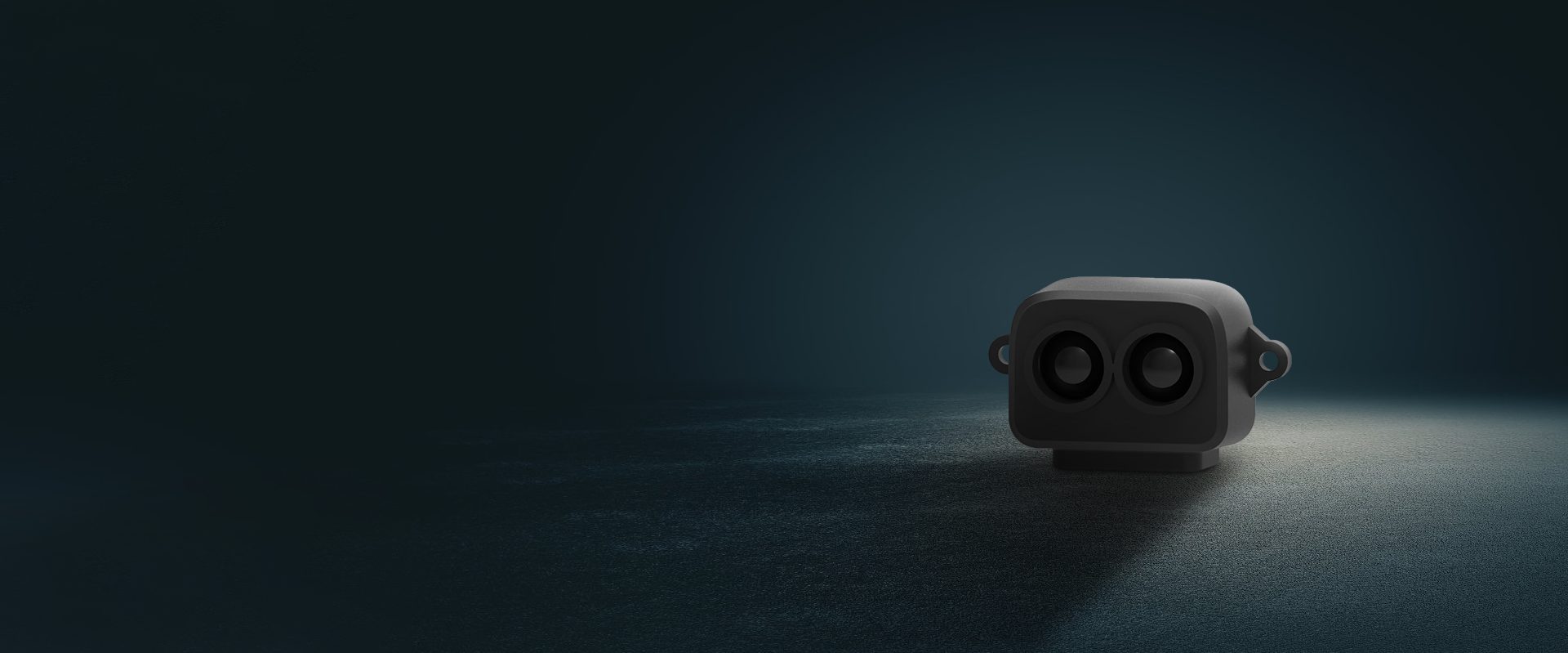
What is TF Luna LiDAR?
TF Luna is a short-range LiDAR distance sensor designed for simple integration into electronic projects. With a range of about 0.2 m to 8 m and a lightweight form factor, this module delivers distance readings at up to 250 Hz, while consuming very little power. Its small size and adaptable interfaces let it work well in proximity sensing, UAV height detection, obstacle avoidance systems, and many other applications.
Understanding the TF Luna Pinout
TF Luna’s connector exposes six pins that serve power, communication, and mode-configuration functions. Whether you’re wiring it to an Arduino or an ESP32, knowing these pin assignments helps you get started quickly:
- +5 V: Power supply input for the LiDAR module.
- RXD / SDA: UART receive line, or I²C data line in I²C mode.
- TXD / SCL: UART transmit line, or I²C clock line in I²C mode.
- GND: Ground reference for your power and signals.
- Mode Select (CFG): Determines communication mode; grounding this pin selects I²C, while leaving it open enables UART.
- Multiplexed Output: In UART mode this is a general signal output; in I²C mode it can serve as a “data ready” notification.
This pinout structure allows you to tailor how TF Luna communicates with your processor and supports both common embedded protocols. For basic setups, pins 1 through 4 are often all you need for power and UART communications, while pins 5 and 6 are useful for mode control and advanced signal handling.
Ready to Use With Your Projects
Getting TF Luna wired correctly is your first step toward integrating LiDAR distance sensing into your hardware. Once connected and configured, you can begin reading real-time distance data directly from the module, build proximity triggers, or feed its output into navigation and automation routines.
Conclusion
The Benewake rangerfinder, TF Luna LiDAR is a flexible and accessible rangefinder that pairs well with a variety of microcontrollers and development platforms. Its clear pinout design and dual communication support make it suitable for both beginners and experienced makers. If you’re looking for a reliable sensor to add precise distance measurement to your project, consider experimenting with TF Luna. Visit Benewake’s official site to explore more details and start your project today!